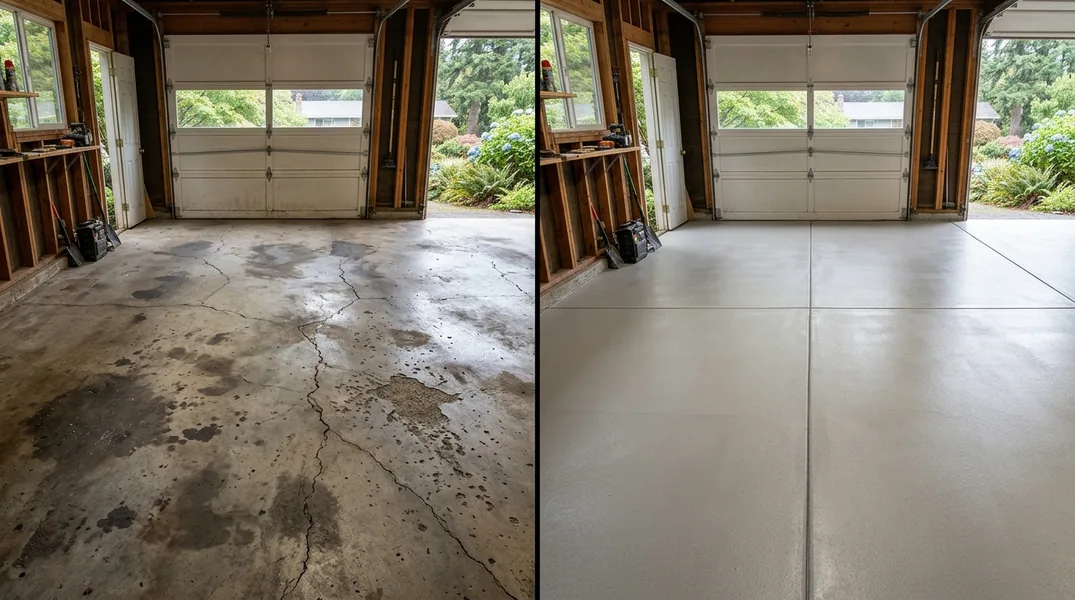
Why Resealing Your Concrete Driveway Matters in Portland
Portland's wet climate is both a blessing and a challenge for homeowners. With over 140 days of rain annually, your concrete driveway faces constant exposure to moisture, freeze-thaw cycles, and UV damage. Water penetration is the primary enemy of concrete longevity, as it seeps into microscopic pores and weakens the material from within. When moisture freezes during Portland's occasional cold snaps, it expands and contracts, creating cracks that only worsen over time.
Resealing your Concrete Driveways is one of the most cost-effective ways to extend its lifespan and maintain its appearance. A quality sealant acts as a protective barrier, preventing water, salt, oil, and other contaminants from penetrating the concrete surface. Without regular resealing, your driveway can deteriorate significantly faster, leading to costly repairs or premature replacement. The good news is that resealing is a manageable DIY project for many homeowners, though professional application ensures superior results and longer-lasting protection.
Understanding Concrete Sealant Types for Wet Climates
Not all sealants are created equal, and choosing the right one for Portland's climate is crucial. There are two main categories: penetrating sealers and membrane-forming sealers. Penetrating sealers absorb into the concrete and provide protection from within without changing the surface appearance. These work well for Portland driveways because they allow the concrete to breathe while still blocking water and salt intrusion. Membrane-forming sealers, on the other hand, create a protective layer on top of the concrete. They typically offer a glossy or matte finish and provide excellent protection against staining and UV damage, but they can be slippery when wet and may require more frequent reapplication.
For Portland homeowners dealing with constant moisture, acrylic latex sealers are popular because they are water-based, low-VOC, and environmentally friendly. Polyurethane sealers offer superior durability and UV resistance, making them ideal for driveways that receive direct sunlight. If your driveway has experienced significant wear, Concrete Repair & Resurfacing may be necessary before resealing to ensure the best results. Understanding these options will help you make an informed decision about which sealant best suits your needs and budget.
Step-by-Step Guide to Resealing Your Driveway
Before you begin resealing, proper preparation is essential. Start by thoroughly cleaning your driveway with a pressure washer set to 1500 to 2000 PSI. Remove all dirt, moss, algae, and debris that accumulate in Portland's damp environment. Pay special attention to cracks and crevices where moisture tends to hide. After pressure washing, allow the surface to dry completely. This typically takes 24 to 48 hours in Portland's climate, so plan accordingly and check the weather forecast to avoid rain during the drying period.
Once your driveway is clean and dry, inspect it carefully for cracks, potholes, or significant damage. Small cracks can be filled with concrete crack filler before sealing, but larger damage may require professional attention. Next, apply painter's tape along the edges where your driveway meets landscaping or your garage to prevent sealant overspray. Choose a dry day with temperatures between 50 and 85 degrees Fahrenheit. Apply the sealant using a paint roller or sprayer, working in small sections and maintaining a wet edge to ensure even coverage. Most sealants require two coats, with 4 to 8 hours drying time between applications. Avoid driving on your driveway for at least 24 to 48 hours after the final coat to allow the sealant to cure properly.
How Often Should You Reseal Your Driveway in Portland?
The frequency of resealing depends on several factors, including the type of sealant used, traffic volume, and Portland's specific weather patterns. Generally, acrylic latex sealers last 1 to 3 years and require more frequent reapplication. Polyurethane and epoxy sealers can last 3 to 5 years or longer, making them a better long-term investment despite higher upfront costs. If you notice water beading up on your driveway surface, your sealant is still providing protection. When water begins to absorb into the concrete, it is time to reseal.
Portland's relentless moisture and frequent temperature fluctuations mean your driveway works harder than those in drier climates. Most homeowners in the area benefit from resealing every 2 to 3 years to maintain optimal protection. Regular inspection is key. Look for signs of wear such as fading color, chalky residue on the surface, or water pooling in certain areas. These indicators suggest your sealant has degraded and your concrete is vulnerable to damage. By maintaining a consistent resealing schedule, you can prevent expensive repairs and keep your driveway looking fresh and protected for decades.
Professional Resealing vs. DIY: What You Need to Know
While resealing can be a DIY project, there are significant advantages to hiring professionals. Experienced contractors have access to commercial-grade sealants that often outperform consumer products available at hardware stores. They also possess the proper equipment, including industrial-strength pressure washers and professional spray systems, ensuring thorough cleaning and even application. Professional teams understand Portland's unique climate challenges and can recommend the best sealant type for your specific situation. They also handle all the preparation work, which is where most DIY projects fall short.
If you decide to tackle the project yourself, be prepared to invest time and effort into proper surface preparation. Many homeowners underestimate how critical cleaning and drying are to sealant performance. Improper application can result in uneven coverage, peeling, or premature failure, ultimately costing more than professional service. For those seeking expert results without the hassle, Portland Concrete offers professional resealing services tailored to Portland's wet climate. Contact us at (503) 505-9906 or request a free estimate to learn how we can protect your driveway investment.
Concrete Driveway Maintenance Tips Beyond Resealing
Resealing is just one part of a comprehensive concrete maintenance strategy. Regular cleaning prevents the buildup of dirt, moss, and algae that thrive in Portland's damp climate. Sweep your driveway weekly and pressure wash it annually to remove contaminants before they cause permanent staining or deterioration. Avoid using harsh chemicals or salt-based de-icers during winter months, as these can damage the concrete and accelerate sealant breakdown. If you must use de-icing products, choose environmentally friendly alternatives like calcium chloride or sand for traction.
Address spills immediately to prevent staining and contamination. Oil, gasoline, and other automotive fluids can penetrate unsealed or poorly sealed concrete and cause permanent discoloration. Keep your gutters and downspouts clean to direct water away from your driveway, reducing standing water and moisture exposure. If your driveway shows signs of significant damage such as large cracks, spalling, or structural issues, professional assessment is essential. Portland Concrete specializes in Concrete Repair & Resurfacing services to restore your driveway to optimal condition before resealing. By combining regular maintenance with professional care, you can extend your concrete driveway's lifespan and keep it looking beautiful for years to come.
Looking for a professional tree service in Portland? Portland Concrete responds fast for all your concrete needs.
Get a Free QuoteOur services: Concrete Driveways · Concrete Patios · Stamped & Decorative Concrete